Forging
Metal FormingDescription
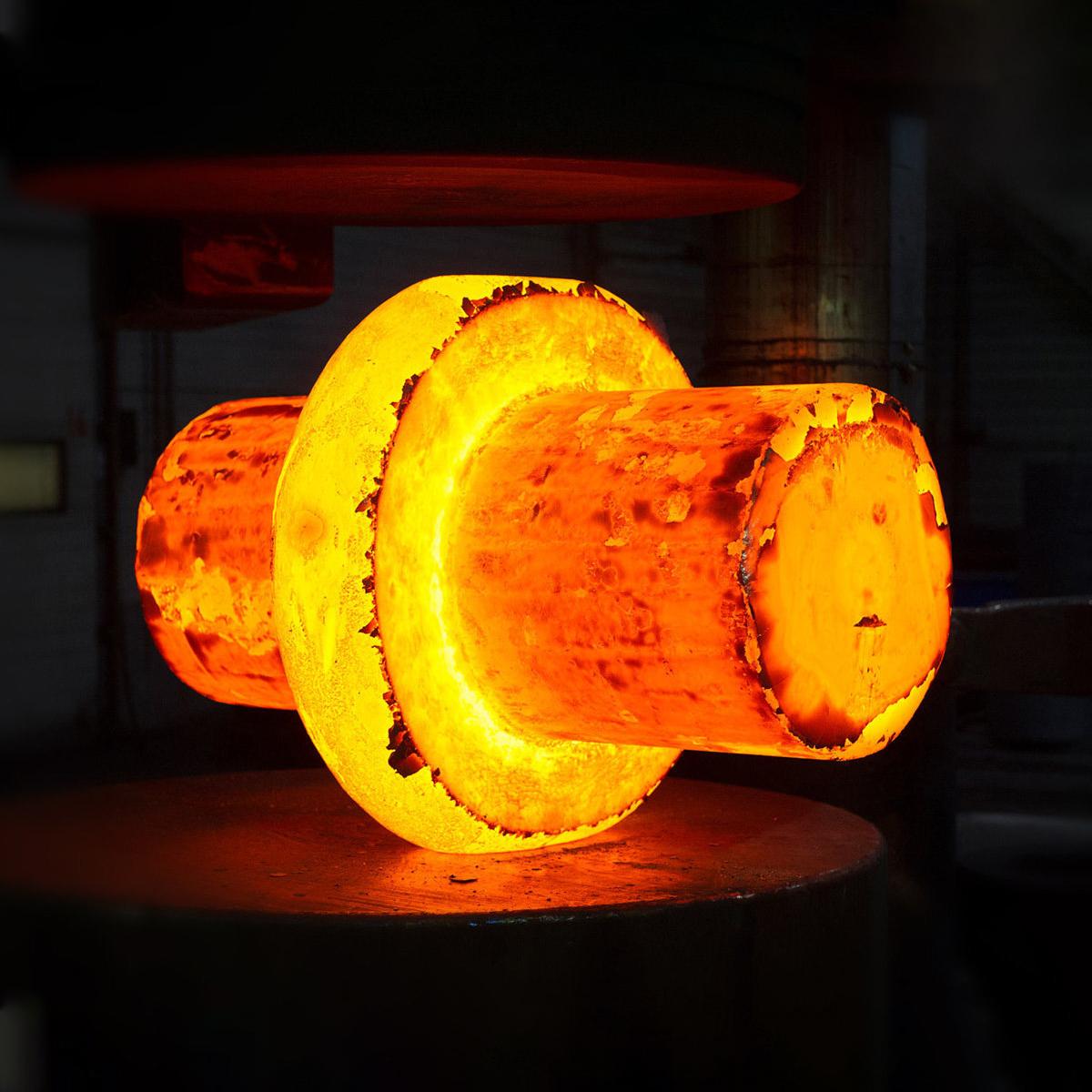
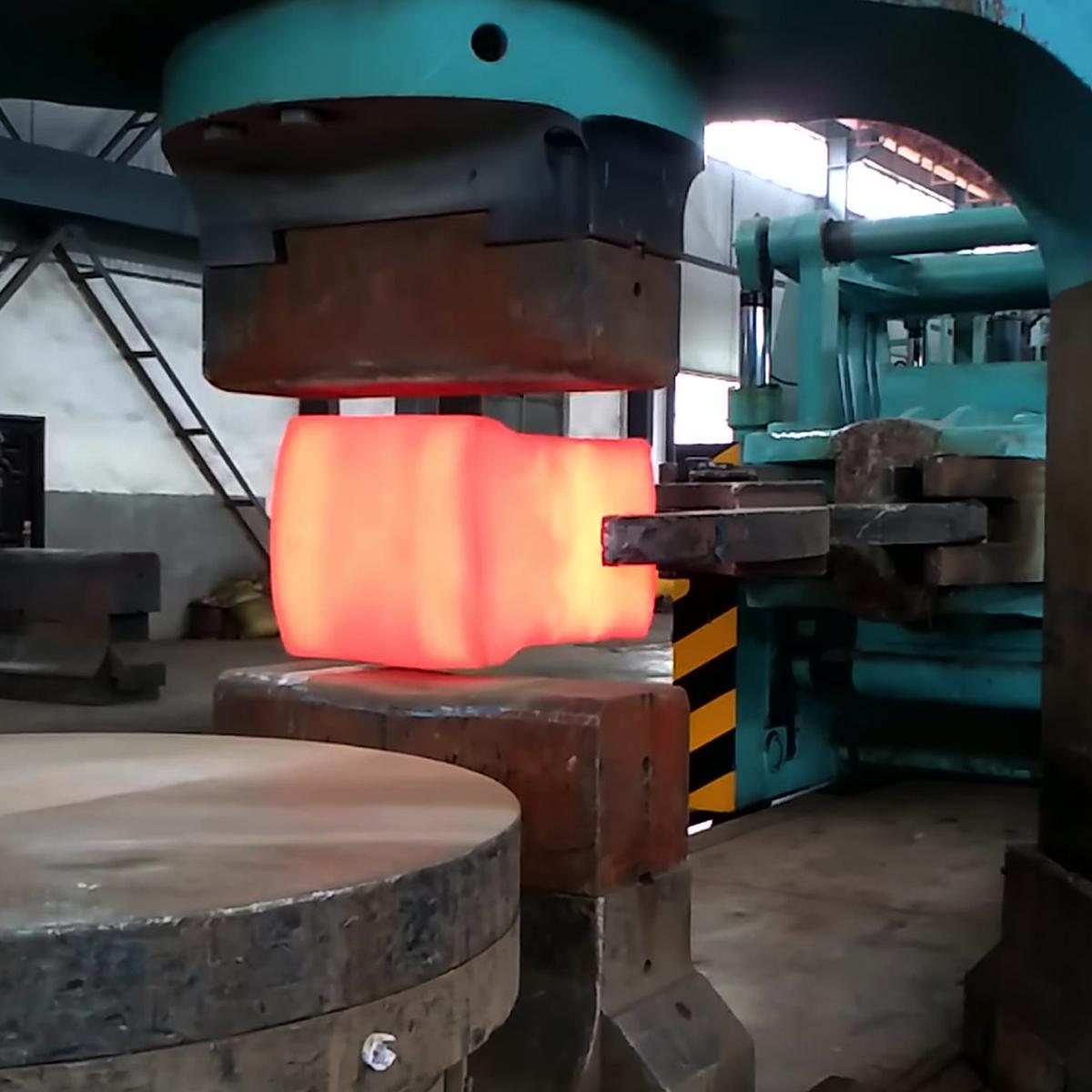
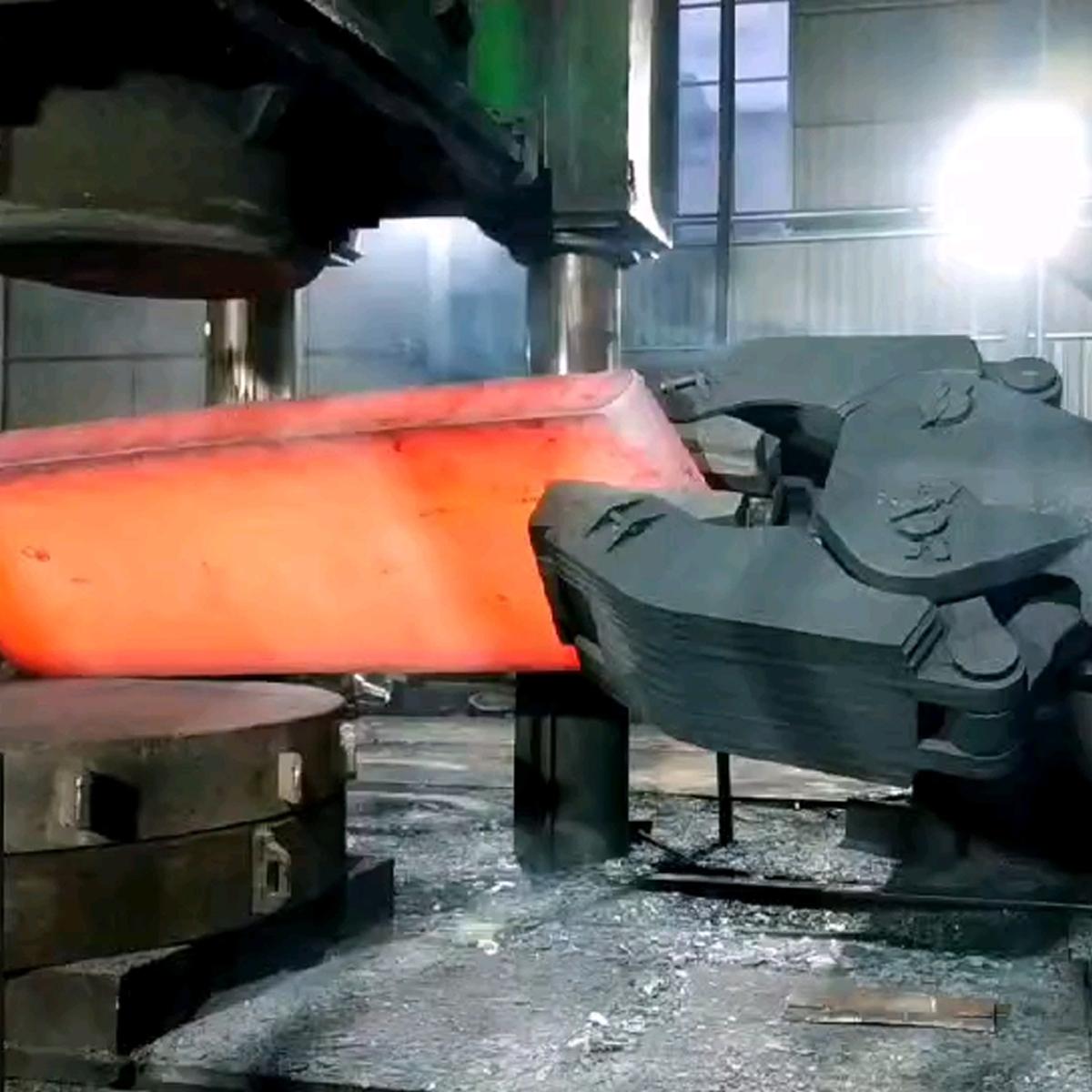
Forging is a fundamental metal forming manufacturing process that shapes metal workpieces using localized compressive forces delivered through hammers, presses, or dies. This time-tested manufacturing technique is classified by operating temperature: hot forging (above recrystallization temperature), warm forging (below recrystallization), and cold forging (at room temperature). The forging process refines the metal's grain structure, eliminates porosity, and aligns the grain flow to follow the part's geometry, resulting in components with exceptional strength, toughness, and fatigue resistance. Forged parts are renowned for their reliability in critical applications where failure is not an option.
Specify realistic dimensional limits using our steel forging tolerance guide (EN 10243-1 F-grade vs E-grade, M1/M2 material groups, S1–S4 shape complexity), our aluminum forging tolerance guide (GB/T 8545-2012 normal vs precision grade), then calculate steel forging tolerances for your part size and weight.
Key Advantages
- Superior mechanical properties including increased strength and toughness
- Improved grain structure with aligned grain flow for optimal performance
- High strength-to-weight ratio making it ideal for weight-sensitive applications
- Enhanced fatigue resistance and durability under cyclic loading
- Elimination of internal defects and porosity through compressive working
- Excellent dimensional stability and predictable material behavior
- Superior impact resistance compared to cast or machined parts
- Ability to produce parts in a wide range of sizes from small fasteners to large structural components
Common Applications
- Automotive crankshafts, connecting rods, and transmission gears
- Aircraft landing gear, engine mounts, and structural components
- Hand tools including wrenches, hammers, and pliers
- Industrial machinery components and heavy equipment parts
- Oil and gas industry valves, flanges, and pipeline fittings
- Defense and military equipment requiring high reliability
- Power generation turbine blades and generator components
- Railroad components including wheels, axles, and couplers
Process Video
Process Images